Dirt removal is a common need for excavation, grading, drainage work, and site prep projects across Snohomish County. The pricing of dirt removal depends on several factors, but most jobs are quoted by the ton and include everything needed to remove the material safely and legally. This guide breaks down real-world dirt removal costs based on local experience and actual disposal requirements.
On average, 10 tons of dirt removal costs between $550 and $700 in Snohomish County, Washington. This price includes all labor, loading, hauling, disposal, and dump fees.
Complete Dirt Removal Price in Snohomish County

Dirt Removal pricing is influenced by the type of soil, the total amount being removed, site access, and disposal requirements. While tonnage is the main pricing unit, conditions on-site can shift the final number.
The Type of Dirt
Indepth Excavation knows that all dirt isn’t the same. The type of soil being removed affects both labor time and equipment use.
Common dirt types include clay, silt, sand, loam, chalk, and peat. Clay is typically more expensive to remove because it is dense, heavy, and harder to excavate. Sand and loam are easier to load and transport, which can help keep costs lower.
The Amount of Dirt
Dirt removal is almost always priced by the ton. In Snohomish County, pricing generally ranges from $45 to $80 per ton. This cost includes loading, trucking, disposal, and dumping fees.
These averages are based on Dillon’s more than eight years of excavation experience working on residential and commercial sites throughout the area.
Size and Scale of the Project

Project scale plays a role in pricing, even when the total tonnage is similar. Residential projects are often easier to access and manage, while commercial sites may involve tighter schedules, larger equipment, or coordination with other trades. Accessibility is the main factor here, not just project size.
Fuel Costs Depending on Distance
Fuel costs usually have minimal impact on most local dirt removal jobs. However, properties located far outside city centers or more than 20 miles from disposal sites may see slight cost increases due to longer haul distances. This factor is more situational than standard.
Is the Dirt Contaminated With Anything?
Contaminated dirt requires special handling and disposal, which can significantly increase removal costs. Contaminants are typically grouped into inorganic materials and semi-volatile organic compounds.
Examples include heavy metals like lead, chromium, and arsenic, as well as industrial chemicals such as PCBs, PHAs, MTBE, and benzene. When contamination is present, dirt removal costs can increase by 30 percent to 100 percent, depending on the material and disposal requirements.
Disposal Fees
Disposal fees are built into most dirt removal quotes. These fees vary by facility and material type. Local disposal sites in Snohomish County charge based on weight and soil classification, which is why accurate assessment upfront matters.
Hiring InDepth Excavation to Remove Dirt for You in Snohomish County, Washington
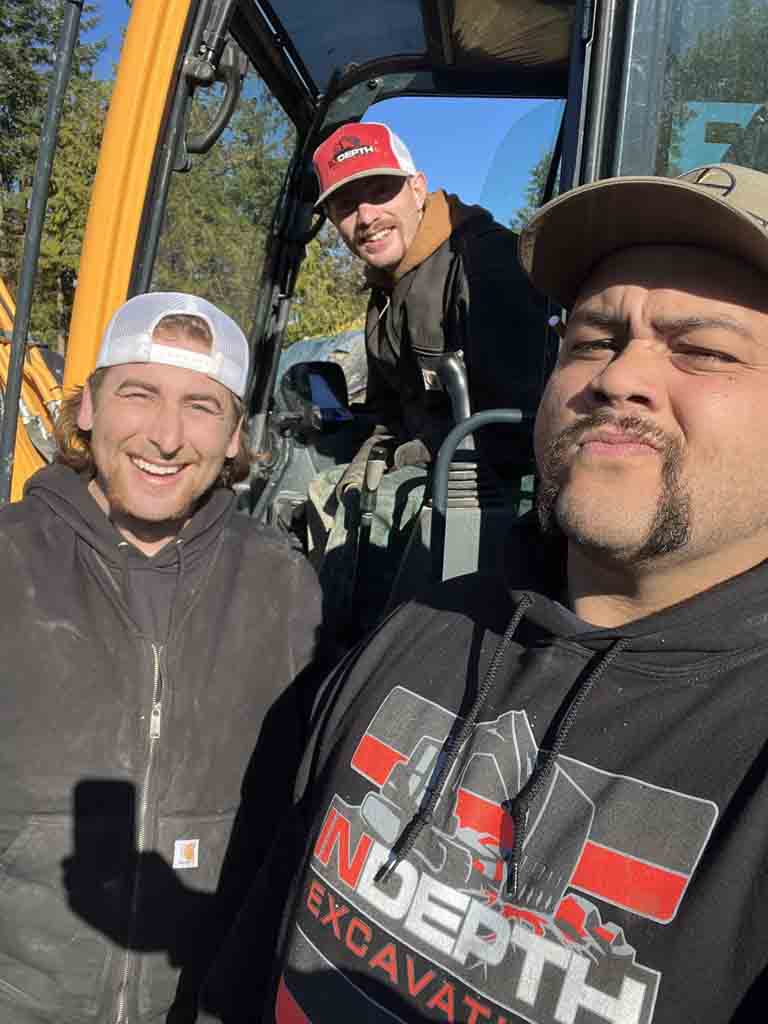
When dirt needs to be removed, the difference is not just equipment, it is experience and judgment on site. InDepth Excavation handles dirt removal projects across Snohomish County with a steady, methodical approach that prioritizes safety, efficiency, and proper disposal from start to finish.
Each project begins with a clear look at access, soil conditions, and disposal requirements. This helps avoid delays, protects surrounding areas of your property, and keeps the removal process moving smoothly once work begins. From small residential cleanups to larger commercial excavation projects, the focus stays the same, do the work cleanly, legally, and without cutting corners.
Instead of guesswork, you get straightforward answers, realistic timelines, and pricing that reflects the actual scope of work. That means fewer disruptions, cleaner sites, and no surprises when hauling and disposal are underway.
To schedule service or request a quote, Contact Us at InDepth Excavation or visit the dirt removal service page to learn more about getting your project started.